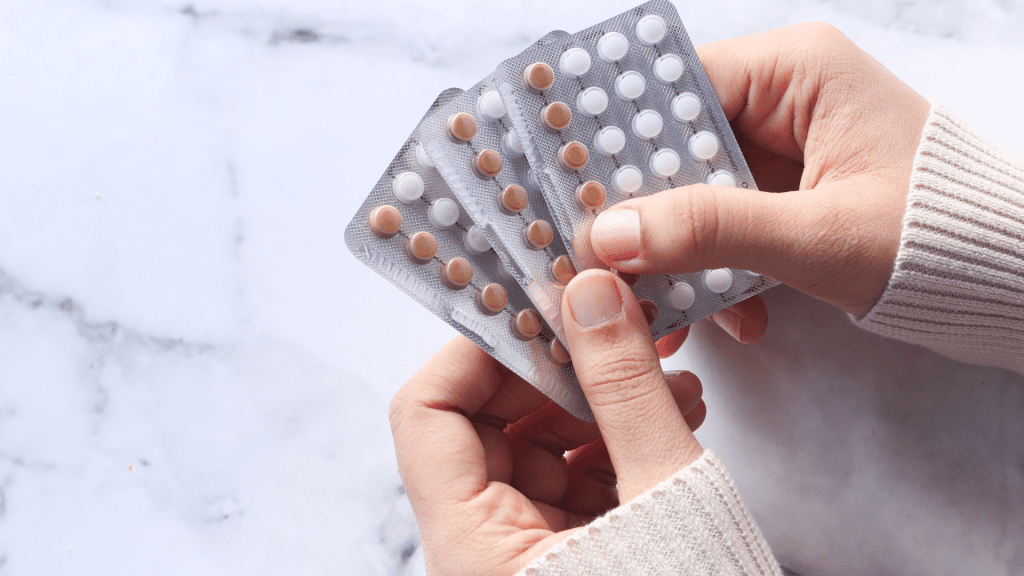
Birth control pills are a widely used form of contraception. They work by introducing synthetic hormones to prevent unintended pregnancies.
However, stopping these pills can lead to various physical and emotional changes as the body readjusts to its natural hormonal rhythm.
Many women experience temporary symptoms, commonly referred to as Post-Birth-Control Syndrome (PBCS) or Post-Pill Syndrome.
This article will explore the typical changes women may encounter after discontinuing birth control pills and highlight when it is essential to seek medical advice from a healthcare clinic.
Common Symptoms of Post-Pill Syndrome
There are a few common conditions which can be experienced:
Altered Menstrual Cycles
Sudden stoppage of birth control can cause irregular menstrual cycles or missed periods. This happens due to the withdrawal effect from birth control, disrupting a person’s menstrual cycle. It may take weeks to months for the body to adapt to the changes and resume its natural ovulation.
Acne Breakouts
Birth control helps to regulate and suppress sebum production. Imbalanced hormones in the body after stopping birth control pills can cause a sudden surge of acne and skin flare-ups. This is caused by an increased production of sebum due to hormonal shifts. It is a natural hormonal response, and it will continue as the body accommodates during this transition period.
Mood Swings and Anxiety
Progesterone and estrogen from birth control help to maintain mood and a person’s well-being. Sudden hormonal shift can impact neurotransmitters, which can cause a decrease in dopamine and serotonin. It eventually leads to mood disorders such as mood swings, anxiety, insomnia, and depression.
Hair Shedding
Hair loss from post-pill syndrome is known as telogen effluvium, where hair follicles enter a resting phase. The result is mass hair shedding due to the hormonal stress of coming off the pill. It is a temporary condition due to a drop in estrogen, and will resolve once the body adjusts to the new balanced hormone levels.
Changes in Libido
Women may experience a temporary change (either an increase or decrease) in sex drive or libido until hormone levels stabilize and their natural menstrual cycle returns.
Communicate with your partner so both parties are aware of your condition to avoid misunderstanding and to better support one another.
In the meantime, consider getting check-ups at a trusted wart removal clinic near you with erectile dysfunction doctors in Malaysia for services like HIV tests in Malaysia or stapler circumcision in Malaysia to monitor your partner’s well-being while you recover.
Why Stopping Birth Control Affects Your Body
Birth control will take over the role of hormones in the body, which eventually suppresses or slows down your natural hormone production.
To reactivate these natural hormones, your body needs to go through an adjustment until it stabilizes.
This causes some common changes and side effects, such as irregular menstrual cycle, mood disorders, physical symptoms, and weight changes due to fluctuation of estrogen and progesterone hormones after you stop using birth control.
Post-pill syndrome does not affect every woman. It’s a temporary process that can last for weeks to months. Symptoms and severity vary and depend on a person’s hormone levels.
Myths vs. Facts About Post-Pill Syndrome
Some believe that post-pill syndrome is permanent, affecting a person’s well-being lifelong.
The truth is that post-pill syndrome is caused by temporary hormonal imbalances. Birth control does not store or accumulate in your body. It will resolve by itself over a short time as the affected woman regains her fertility and natural hormone stability.
For some women, ovulation and fertility may return immediately once they stop the pill. Thus, there are chances for a person to get pregnant.
It is advisable to use protection and practice safe sex to prevent unintended pregnancies.
Get STD checks in Malaysia to further protect you and your partner.
When Should You Seek Medical Advice?
It is important to seek advice if your menstrual cycle does not return after 3- 6 months of stopping the pill.
This may indicate underlying conditions at play, such as hormonal imbalance issues, PCOS, post-pill amenorrhoea, or thyroid disorders.
Medical practitioners will need to do thorough examinations to tackle prolonged missed period issues.
Additionally, if you develop severe symptoms after stopping the birth control, like harsh acne flare-ups, chronic headaches, persistent mood swings, or major hair loss, please seek immediate medical attention. You may need hormone regulation therapy or dietary advice.
Severe or prolonged painful, heavy and irregular bleeding may be a sign of an underlying reproductive health condition like anemia.
Conclusion
Post-birth-control syndrome (PBCS) or post-pill syndrome is a natural and temporary phase as the female’s body readjusts to its own hormonal rhythm.
While symptoms usually subside within weeks or months, some women may experience more severe effects that require medical support.
It’s crucial to monitor your symptoms and consult a healthcare provider if they persist or significantly impact your well-being.
To learn more about other health conditions for adults, like HIV tests in Kuala Lumpur, STD blood tests in Malaysia, or wart removals near you, stay tuned to Universal Clinic’s blogs.