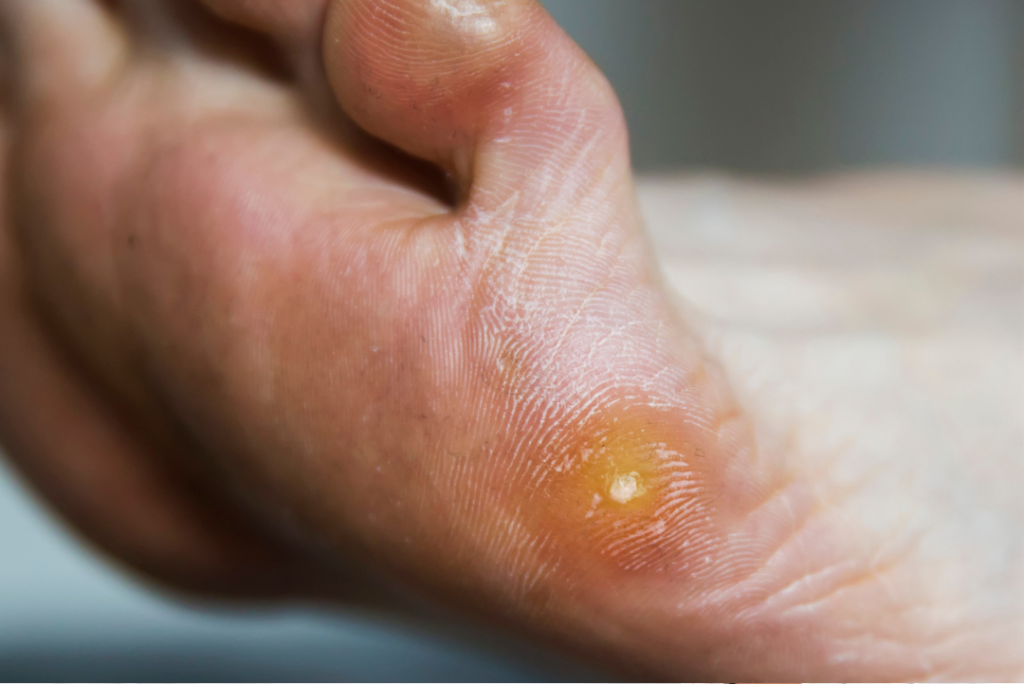
Rashes, itching, and irritation in the genital or other areas can indeed stem from various causes, including allergies, skin conditions, or sexually transmitted diseases (STDs). Distinguishing between these causes is crucial for proper treatment and peace of mind. Here’s a guide to help you understand the differences and know when to seek medical advice.
Common Symptoms of Allergic Reactions
Let’s start with the common symptoms of allergic reactions that can occur.
- Skin Rashes and Irritation
Causes: Allergic reactions can be triggered by direct contact with irritants such as:
– Latex condoms
– Lubricants or spermicides
– Medications (topical or oral)
– Fabrics or dyes in clothing - Swelling and Redness-
Causes:
Contact Dermatis
A reaction to an irritant (e.g. soaps, lotions, to laundry detergents).
Food Allergies: Certain foods can cause systemic reactions, including swelling in sensitive areas like genitals. - Hives or Itching
Causes: Hives (urticaria)and itching can be triggered by:
– Detergents or fabric softeners
– Perfumes or scented personal care products
– Enviromental allerfents (e.g., pollen, pet dander) - No Sexual Transmission
– Allergic reactions are not contagious and cannot be transmitted through sexual contact or any other means. They are localized to the are exposed to the allergen and do not spread through bodily fluids or skin-skin contact.
Common Symptoms of STDs That Can Be Mistaken for Allergies
Herpes (HSV)
Symptoms: Small, painful blisters or ulcers in the genital or oral area.
Mistaken For: The blisters or sores may resemble allergic rashes or irritation.
Syphilis:
Symptoms: A painless sore (chancre) at the site of infection, followed by a rash on the palms, soles, or other parts of the body.
Mistaken For: The rash may look like an allergic reaction or eczema.
HPV (Human Papillomavirus) and Genital Warts
Symptoms: Small, flesh-colored bumps or cauliflower-like growths in the genital or anal area.
Mistaken For: The bumps may be confused with skin tags or allergic skin reactions.
Chlamydia and Gonorrhoea
Symptoms:Burning sensation during urination
Unusual discharge (yellow, green, or cloudy)
Swelling or redness in the genital area
Mistaken For: These symptoms may be confused with irritation caused by an allergic reaction to soaps, lubricants, or condoms.
STDs Can Be Asymptomatic
Many STDs, such as chlamydia, gonorrhoea, and HPV, may not show symptoms initially
Regular STD screenings and health screening in Malaysia are crucial for sexually active individuals, especially if you have multiple partners or engage in unprotected sex.Click on this link for std test malaysia price.
What Should You Look for in an STD Screening Clinic in Malaysia
When choosing an STD screening clinic in Malaysia, it’s important to prioritize confidentiality, accuracy, and convenience. Here’s a guide on what to look for in a std clinic near me.
- Discreet & Private Testing
STD testing involves sensitive personal information, and many individuals prefer to keep their health matters private.
- Comprehensive STD Panel
A comprehensive screening ensures that multiple STDs are tested for, providing a complete picture of your sexual health.
- Quick & Accurate Results
Fast and reliable results reduce anxiety and allow for timely treatment if needed.
- Accessible Locations & Flexible Booking
Convenience is key, especially for busy individuals or those who prefer testing outside regular hours.
How to Tell the Difference Between Allergy and STD: Key Factors to Consider
Distinguishing between allergic reactions and STDs can be challenging due to overlapping symptoms like rashes, itching, and irritation. Here’s a detailed breakdown of the key factors to consider when trying to tell the difference:
- Timing of Symptoms
Allergic reactions typically appear immediately or within a few hours of exposure to the allergen while STD’s may take days to weeks to develop after exposure.
- Persistence of Symptoms
Allergic Reactions usually improve or disappear once the allergen is removed or avoided whereas STDs symptoms persist or worsen over time if left untreated.
- Other Associated Symptoms
Allergic Reactions are typically localized to the area of contact (e.g., genital area, hands or face) while STDs’ may involve systemic symptoms such as fever,fatigue discharge or pain.
Can You Have an STD and an Allergy at the Same Time?
Yes, it is possible to have both an STD and an allergy at the same time. In fact, certain STDs and their treatments can interact with your immune system or medications in ways that may exacerbate allergies or cause new sensitivities. his can make the body more susceptible to allergic reactions or worsen existing allergies.
A compromised immune system may also lead to chronic inflammation, which can increase sensitivity to allergens.
When Should You Get a Health Screening?
- Recurring or Persistent Symptoms:
-If symptoms persist for more than a few days or weeks.
- If You’re Sexually Active:
-Annually, as part of routine sexual health checkups.
-After unprotected sex with a new or casual partner.
-If your partner has been diagnosed with an std in Malaysia
- Unclear Diagnosis:
-If you’re unsure whether your symptoms are due to an allergy or an STD.
-If you’ve been treated for an allergy but symptoms persist.
Allergic reactions and STDs can present with similar symptoms, such as rashes, itching, and irritation, making it difficult to distinguish between the two without proper testing. Understanding the key differences—such as the timing of symptoms, persistence, and associated systemic signs—can help guide you toward the right diagnosis. However, if you’re unsure, the best course of action is to seek a professional health screening at a medical clinic.
Universal Clinic offers comprehensive health screenings packages to help you determine the root cause of your symptoms.
Visit Universal Clinic for a confidential and comprehensive health screening. Whether you need STD testing or allergy testing, their experienced healthcare professionals will provide accurate diagnostics, personalized care, and discreet services to address your concerns.
Take control of your health today—schedule your screening and get the answers you need for peace of mind and effective treatment.