HIV (human immunodeficiency virus) is a virus that attacks the body’s immune system, making a person more vulnerable to infection and diseases.
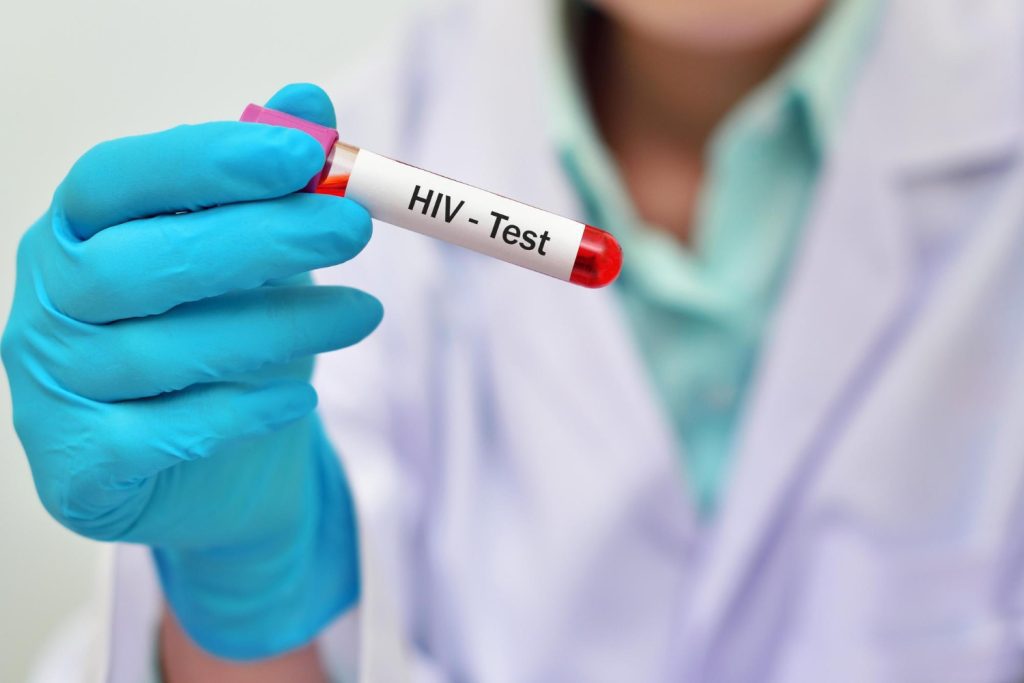
Getting tested for HIV is the only way to know HIV status. Knowing status is important to keep self and partner healthy. Delay in detection and diagnosis leads to late initiation of treatment with poorer prognosis and outcomes, increasing the risk of onward transmission of HIV infection.
HIV is most often spread by having vaginal, anal or oral sex with someone who has HIV, while not using a condom.
This is because HIV is spread by infected body fluids getting into your bloodstream. This includes blood, semen, vaginal fluids and mucus from inside the anus.
It can also be spread:
- by sharing needles, syringes or other equipment for injecting drugs with someone who has a detectable viral load
- by sharing sex toys with someone who has a detectable viral load
- to your baby during pregnancy or birth if you have a detectable viral load
The Importance of HIV Testing
HIV testing is the only way to know your status. Many people with HIV do not have symptoms for years, which makes regular testing essential.
What are the types of HIV tests in Malaysia ?
There are three types of tests used to diagnose HIV: antibody tests, antigen/antibody tests, and nucleic acid tests (NATs).
- Rapid HIV Test (Antibody ) check for HIV antibodies in blood .
- Usually use small blood drop to detect, result in 15-30mins .
- Has longer window period usually 28 days- 90 days after exposure .
- 4th Generation HIV test (Antigen/antibody) can detect both HIV antibodies and HIV antigens in the blood and are the most common HIV tests. After HIV exposure, antigens will show up in the blood sooner than antibodies.
- PCR HIV test s look for HIV RNA (genetic mayerial of the virus ), not antibodies /antigens .
- These tests may also be called viral load tests because they not only detect the virus but also determine the quantity of virus present in the blood. They can usually identify HIV as soon as 11 days or more.
HIV Prevention Strategies :
Preventing HIV involves a combination of behavioral, medical, and structural approaches.
- Safe sex practice ( condom )
- Take PrEP ( Pre Exposure Prophylaxis )
- Post Exposure Prophylaxis – emergency medication taken within 72 hours after possinle exposure to HIV .It must be taken for 28days .
- Avoid Shariing needles –
- Routine Screening
Conclusion
HIV testing and prevention are powerful tools in ending the HIV epidemic. With modern medicine, people living with HIV can lead long, healthy lives. Regular testing, safe practices, and access to preventive medications like PrEP and PEP can dramatically reduce new infections.
Knowing your status is not just about protecting yourself—it’s about protecting your community.