By : Dr Surya Selvamohan
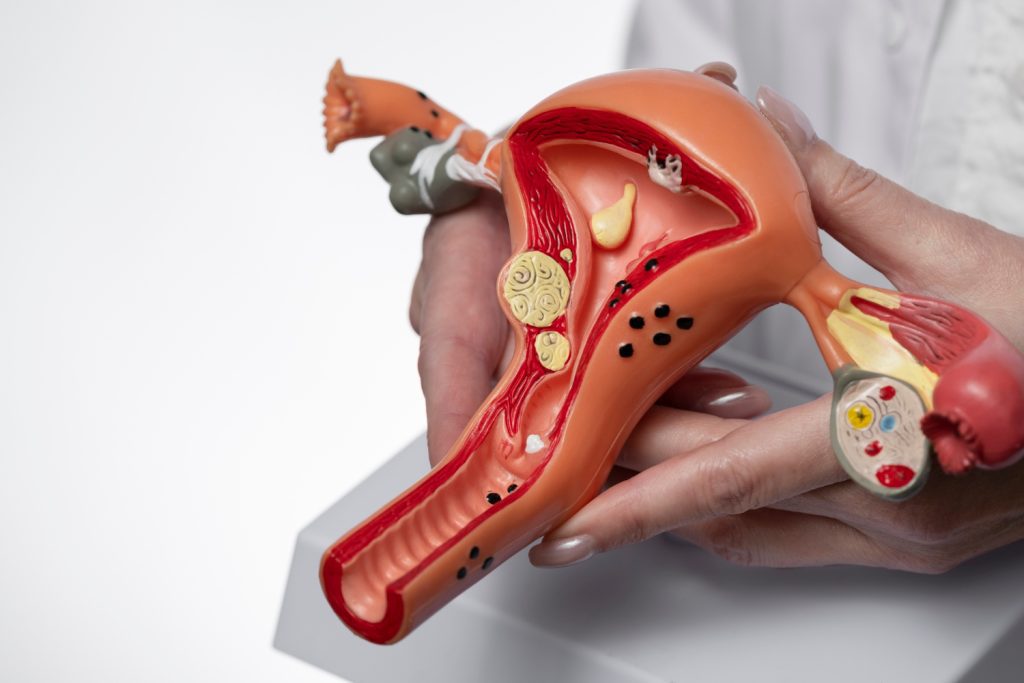
Cervical cancer listed as the 4th most commonest cancer worldwide which we often overlooked or underestimate. Cervical cancer progresses slowly over the time. Regular and effective screening can contribute to early detection and prevention of the disease severity.
There are two primary screening tools available which is the pap smear and HPV testing. HPV screening and pap smear screening is a crucial test to be done for every sexually active women. Screening for HPV and pap smear can be done as early as the age of 21 years until 65 years old.
Pap smear screening tools designed to detect cervical cancer or early cell changes to the cervix. The recommended testing and screening for pap smear is to be done at least every 2-3 yearly for normal findings and yearly for abnormal findings. Pap Smear screening is important to detect early changes in your cervical tissue cells. Any abnormal cells or damage seen in the pap smear warrants a referral for colposcopy. Colposcopy is a procedure where a detail and close up examination on the cervix will be carried out. During this procedure, the doctor will do a biopsy on the suspected tissues or cells and sent over for for histopathological examination (HPE). HPE sampling can detect the changes caused by cancer, infection, inflammation or other condition.
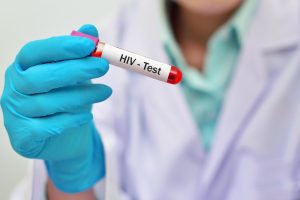
HPV testing and screening recommended for mens and womens every 5 yearly for normal findings and yearly for abnormal findings. Hpv test screening is to detect the presence of HPV strain which commonly clear off by its own but there are few high risk HPV strains which may remain for a period of time and may cause damage to the cervical cells and tissues. This condition can progress into cancer if left untreated.
HPV Vaccination for cervical cancer prevention is available worldwide and can be taken as early as 13 years old. HPV vaccination is implemented as a part of government vaccination programmed for female school children. There is a total of 2 or 3 dose required to be completed in 6 months for protection against the high risk HPV strains. This doses depends on the patients age group.
Screening for pap smear and hpv is crucial for all sexually active women within the recommended age range, regardless of whether they have received the HPV vaccine. Vaccinated individuals still require screening because the vaccine does not protect against all cancer-causing HPV strains.
In conclusion,cervical cancer remains a significant health concern worldwide, yet it is largely preventable through regular and adequate screening. Pap smear and HPV test serve complementary roles in detecting early abnormal cell changes and identifying high-risk infections which might be cancerous if left untreated. Regular screening, beginning at the age of twenty-one and continuing until sixty-five, along with timely follow-up for abnormal results, significantly reduces the risk of cervical cancer. By giving importance to these screenings, women can protect their reproductive health and reduce morbidity and mortality associated with cervical cancer. The integration of Pap smear and HPV testing into routine healthcare emphasizes the critical importance of early detection in preventing this potentially life-threatening disease.